 EN
EN 中文简体
中文简体 English
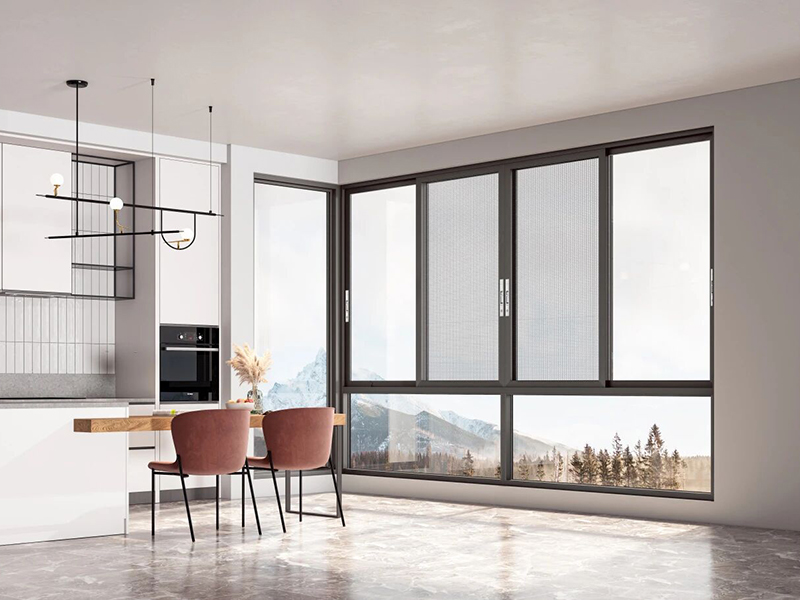
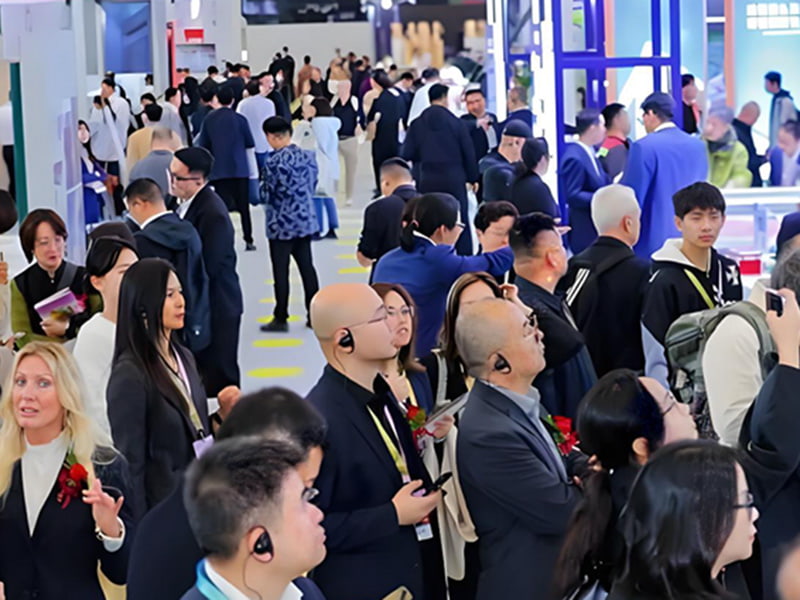
Data released by the General Administration of Customs on March 10 sets the tone for foreign trade throughout the year: In the first two months of 2026, my country's import and export of goods trade increased by 18.3% year-on-year. Among them, exports increased by 19.2%, and mechanical and electrical products became the main force with a growth rate of 24.3%. Behind this dazzling report card, the building materials category represented by high-end system doors and windows is becoming a vivid footnote of the transition from "Made in China" to "global brand" by virtue of technology premium and brand upgrade. Brand going overseas: from product output to solution output The "good start" for foreign trade in the first two months was not only the increase in order volume, but also the optimization of the export structure. For the system doors and windows industry, this marks that Chinese building materials companies are no longer satisfied with OEM production, but are participating in global competition with independent brands and technical solutions. At the recent Swissbau exhibition in Switzerland, the leading domestic door and window companies exhibited ultra-large arc-shaped ultra-narrow sliding doors. With the craftsmanship aesthetics of 22mm ultra-narrow profiles and high-transparency Low-E glass, European architects stopped by. At the same time, many Chinese brands appeared at the Nuremberg Exhibition in Germany with passive window products that have passed German PHI certification. Their thermal insulation coefficient (Uw value) is lower than 0.8 W/(㎡·K), reaching top international standards. This is not only a product display, but also a deep integration of Chinese technical standards with international standards. From the core markets of Europe to the gradual establishment of service networks in Southeast Asia, Chinese door and window companies are relying on a strong supply chain foundation to flexibly respond to the differentiated needs of the global market and achieve From "selling products" to "selling solutions", from "going overseas as an OEM" to "going overseas as a brand" leapfrog development. Technology-driven: Innovation dividend supports subsea gas production A "good start" in foreign trade is only the result. The real driving force comes from the accumulation of technology. In 2026, China's doors and windows industry is showing unprecedented innovation vitality - doors and windows have evolved from "holes" in buildings to composite functional modules integrating energy conservation, environmental protection, intelligent control and aesthetic design. Industry leading companies have hundreds of independent research and development patents. The 4SG double-pass sealed insulating glass technology they use can achieve long-term sealing for more than 25 years; the independently developed nano-coating process can achieve more than 90% infrared isolation while maintaining 70% visible light transmittance; while making continuous breakthroughs in the field of sound insulation technology, many companies are actively cooperating with the domestic technology ecosystem to launch AI intelligent ventilation systems that integrate wind and rain sensors to automatically close windows. These technological innovations are no longer samples in the laboratory, but tools for large-scale export and participation in international high-end market competition. As experts said, exports increased more than expected in the first two months. The transformation and upgrading of the domestic manufacturing industry promoted the high growth in exports of high-tech products. System doors and windows are a typical representative of this wave. Diversified layout: emerging markets open up room for growth Against the background of fluctuating market demand in Europe and the United States, Chinese door and window companies have successfully opened up new growth space by relying on market diversification. Customs data shows that the total trade value between my country and ASEAN increased by 20.3% in the first two months, and the total import and export to countries jointly building the "Belt and Road" increased by 20%. Domestic door and window companies are deeply involved in emerging markets such as Southeast Asia and Central Asia, and conduct targeted product research and development based on the local hot and humid climate and windy and sandy environment. The upcoming Beijing Construction Expo will also focus on introducing buyers along the “Belt and Road” to help companies explore high-potential markets such as Russia and Central and Eastern Europe. The Ministry of Commerce has made it clear that in 2026, it will focus on building a trade power and coordinate efforts to promote stability and improve quality. For the doors and windows industry, this means not only maintaining steady growth in export scale, but also continuing to enhance its position in the global value chain through technological innovation and brand upgrades. From their stunning debut in Europe to their deployment in emerging markets, Chinese door and window companies are using practical actions to interpret the new connotation of "Made in China" - it is no longer synonymous with cheap, but High-quality, high-tech system solution provider. Spring River Plumbing Duck Prophet. In this wave of rebounding foreign trade, system door and window companies that have taken the lead in completing technology accumulation and brand upgrades are embracing the highlight moment of Made in China with open arms. From exporting products to overseas markets, from meeting needs to creating value, the global story of Chinese doors and windows has just begun its most exciting chapter.
Smart Insights, Timely Advantage
Focus on the dynamics of enterprises,Grasp the forefront of the industry, Lead new directions of development,Empower the future with prosperity.